Eurobot
For the first time, we participated in the international student robotics competition, Eurobot, held from May 8 to 11, 2024 in La Roche-sur-Yon, France. Our team consisted of 40 students aged 20 to 28, studying Engineering, Language Mediation, and Industrial Design. We were immensely proud to represent the University of Palermo, and our rector, Massimo Midiri, expressed his pride in our efforts, highlighting how our dedication to research and technology transfer is building a solid foundation for digital skills and future regional development.
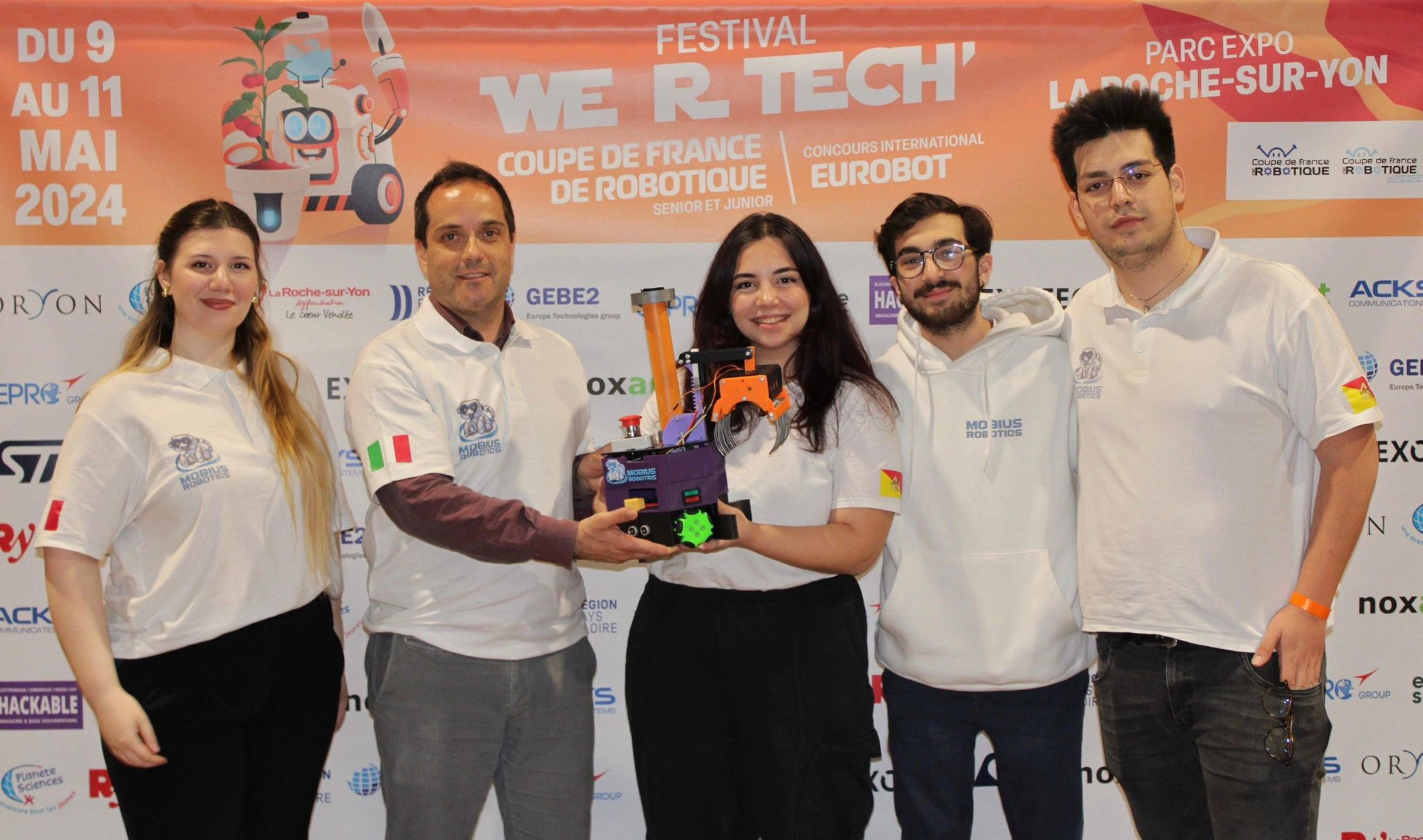
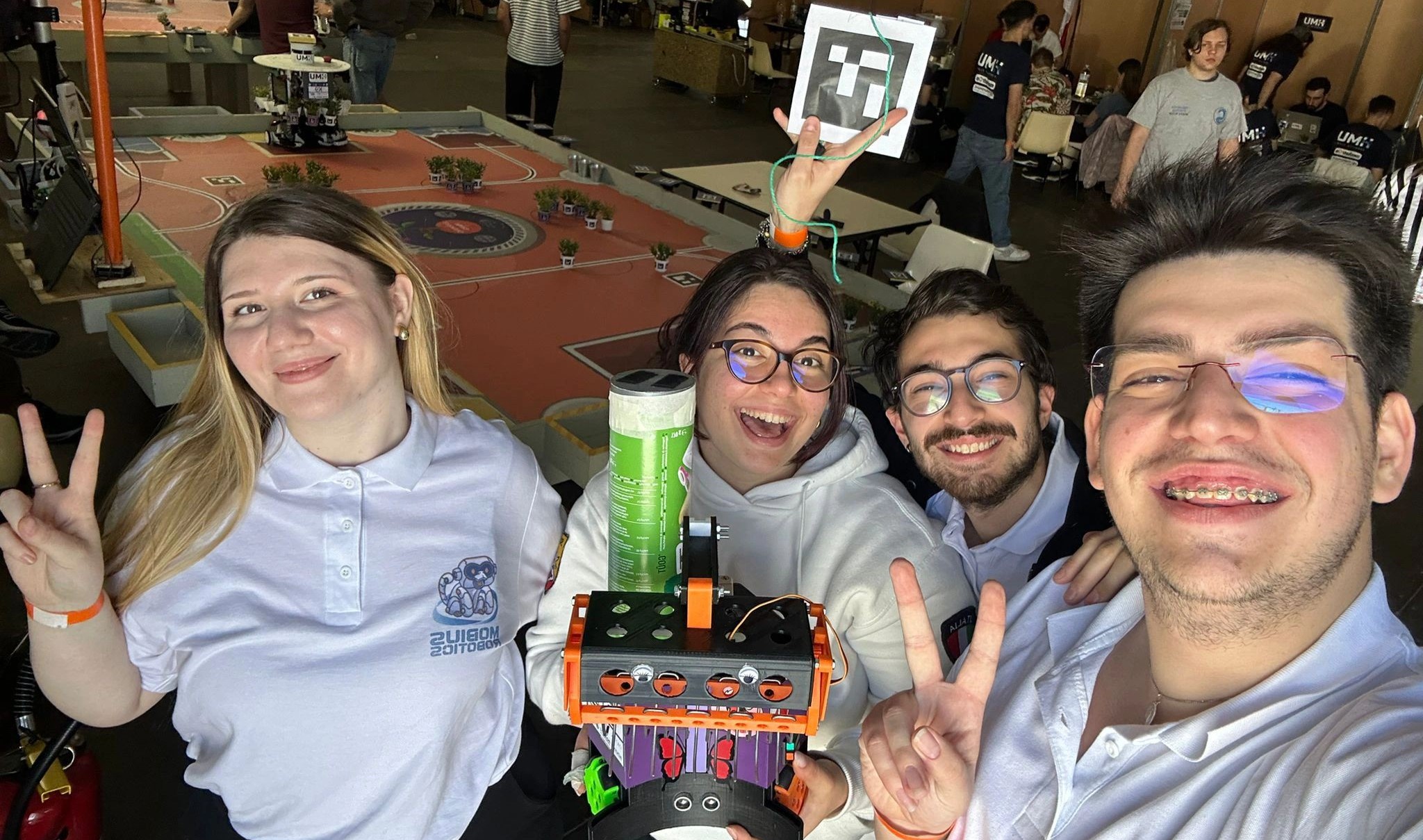
In the competition, our prototypes faced off in a 100-second challenge. This year's task involved managing a fictional greenhouse on Mars, aimed at producing fruits and vegetables to support astronauts on missions. Over the past two months, we meticulously refined every aspect of our robot, from software to hardware. Our team, under the name Mobius Robotics Team, conducted numerous tests to ensure our design was robust and functional.
Our experiments were based in the MIRPAlab laboratories, managed by professors Adriano Fagiolini and Francesco Maria Raimondi, along with visiting professor Giansalvo Cirrincione from the Université de Picardie Jules Verne in Amiens, France. They helped us transition from theoretical knowledge to practical application. Among our future projects are an automated vehicle to clean our campus and a collaboration with the University of Burgundy in France to create a humanoid robot.
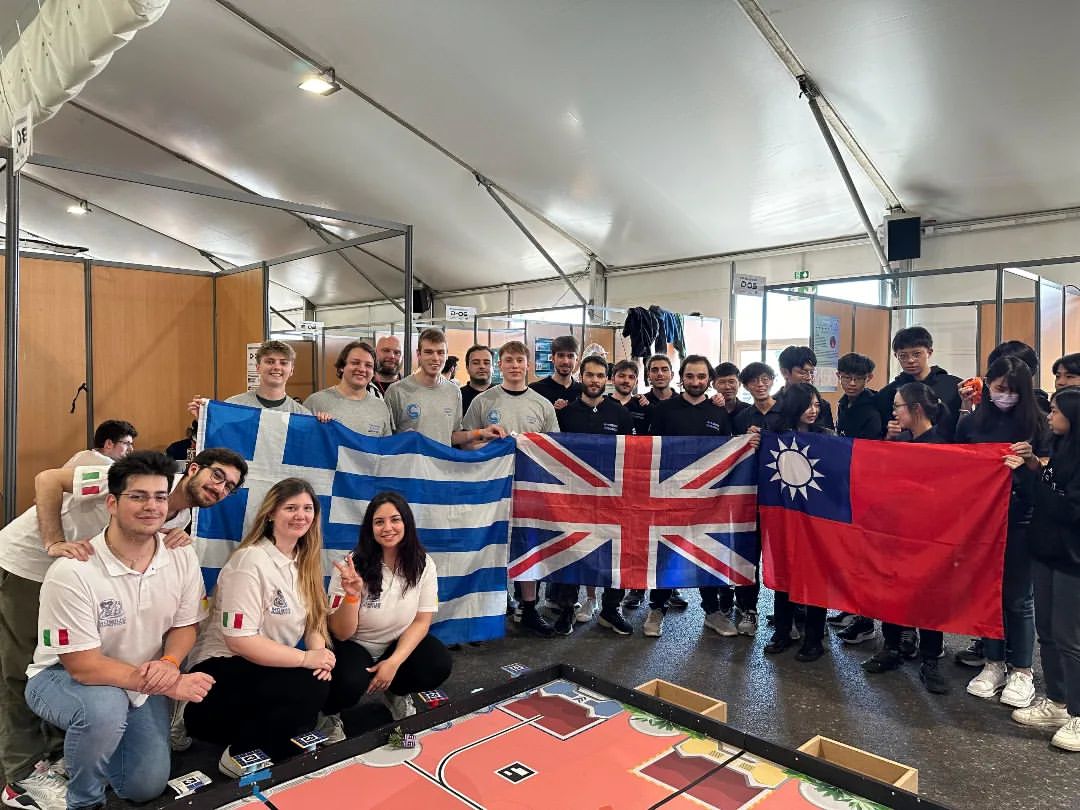
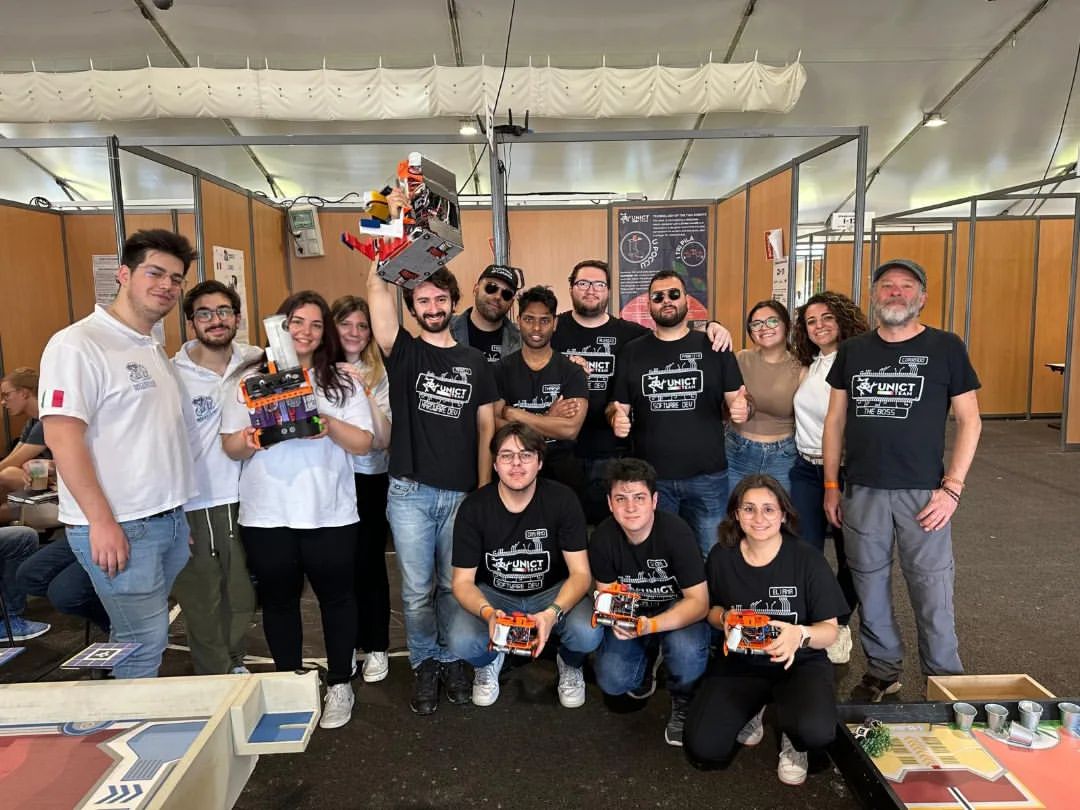
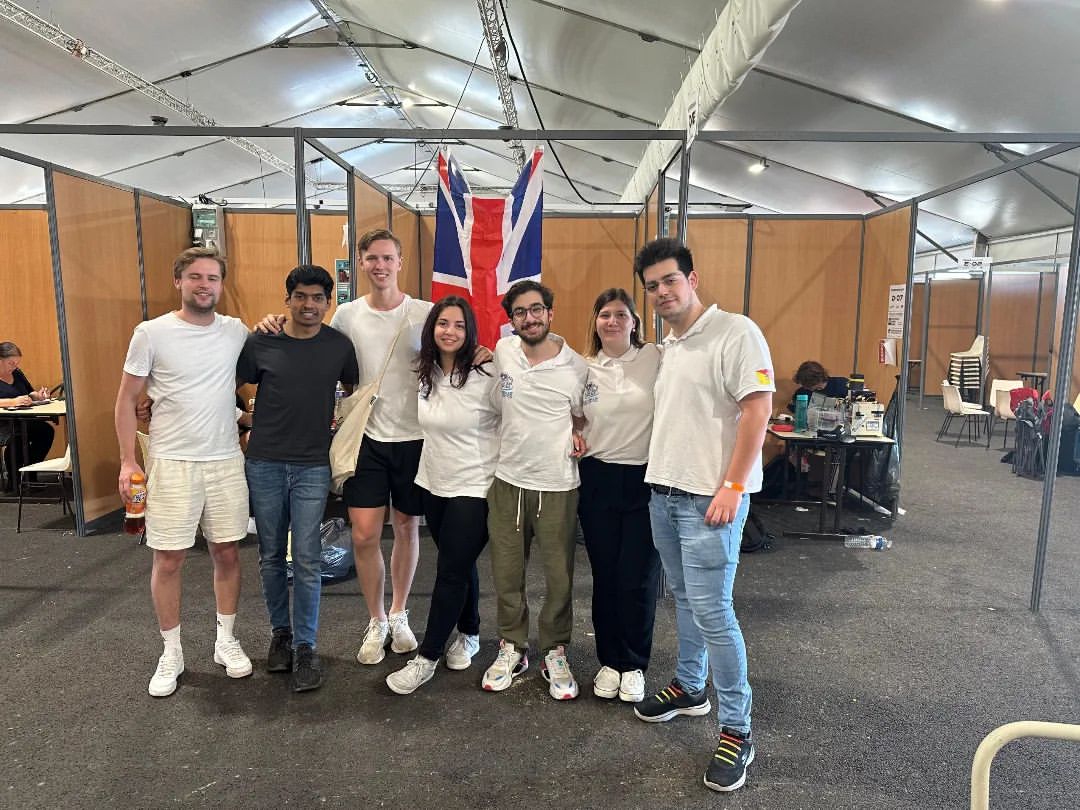
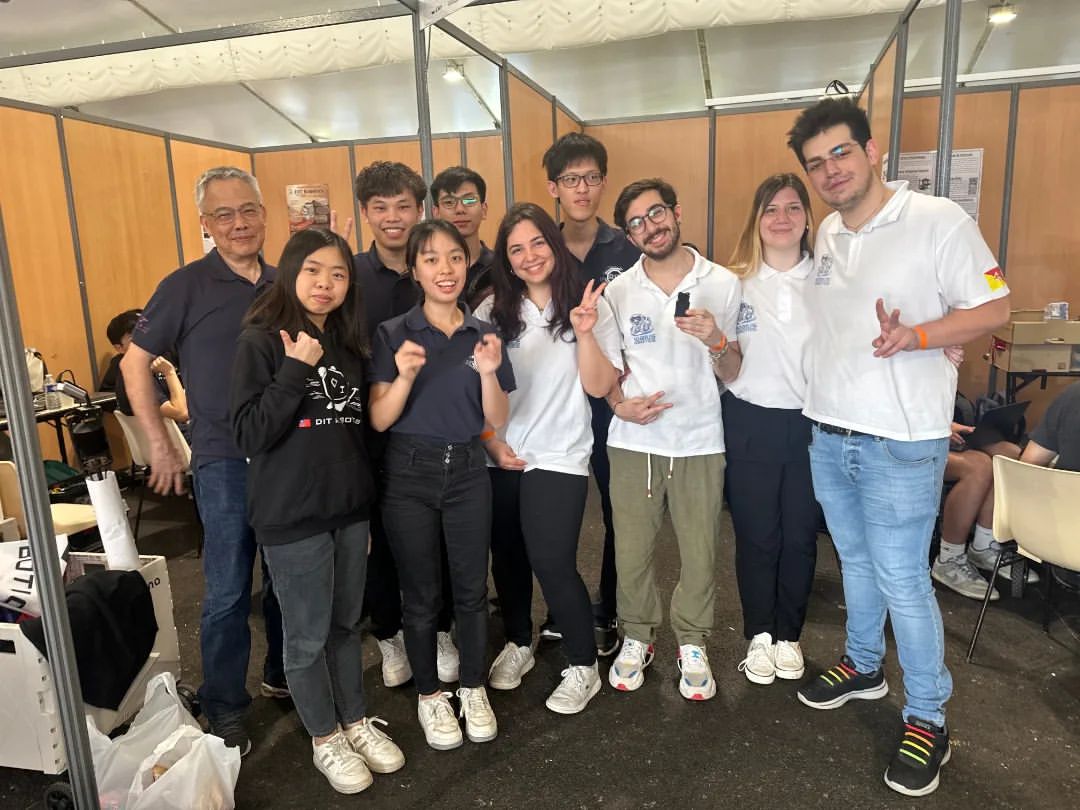
We are ambitious about the future; as Gabriele Azza, co-founder of Nobius Robotics Team, said, our dream is to establish a business focused on environmental robotics, potentially using a Unipa spin-off as a launchpad. Rector Midiri emphasized his goal to strengthen connections between academia and industry, assuring us that talented and passionate students like us will always receive support. He wants us to know that Unipa is a nurturing environment for developing our ideas and aspirations, even after our studies.
The robot we used during the competition is called Loki. Loki employs computer vision algorithms to navigate its environment and features a fully 3D-printed body and mechanical components. Its custom omniwheels allow for seamless movement in any direction, while it also has a collection point for plants. Powered by an STM32 Nucleo, Loki is equipped with a gripper that operates using a double comb mechanism controlled by three servos for height adjustment and opening/closing functions.
See Loki in Detail